
When Kids Disagree: Simple Ways to Solve Arguments
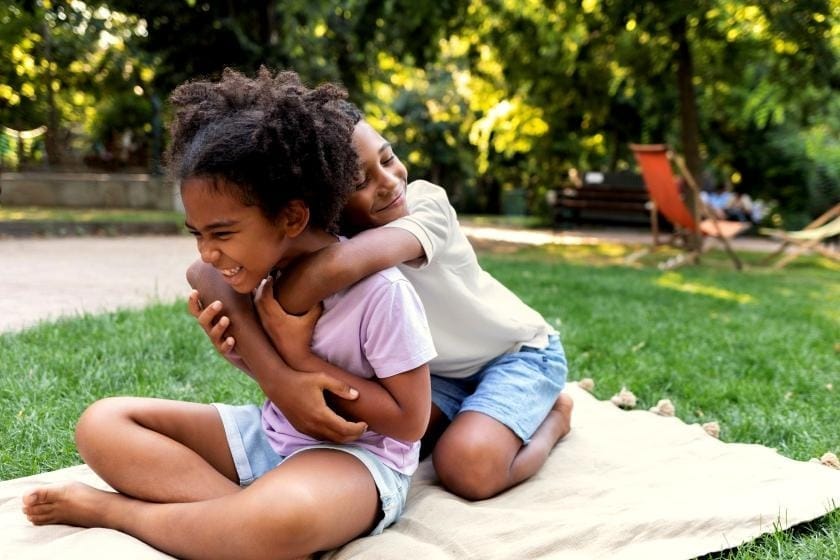
As kids, sometimes we argue about sharing toys, games or which show everyone should watch. But did you know there’s a way to solve fights without shouting or pushing?
The good news is that there are simple, peaceful ways to fix disagreements. With the right steps, you can turn fights into friendships again.
Why Do Arguments Happen? Disagreements are normal. They happen when:
- Two people want the same thing at the same time.
- Friends cannot agree on the rules of a game.
- Someone wants to go first but others do too.
These moments can feel frustrating, but they do not have to end in a fight.
How to Solve Problems Without Fighting
Sometimes we get angry or upset with our friends, classmates, or siblings. That’s normal.
But shouting or hitting won’t solve the problem; it just makes things worse.
Here’s what you can do instead:
1. Use Your Words
Instead of fighting or using your hands on another, say how you feel. Use calm words like:
“I didn’t like what you did.” “That made me feel sad.” “Please stop. I don’t like it.”
Example: If someone grabs your pencil in class, don’t slap their hand. Say, “Please return my pencil. I was still using it.”
2. Listen to the Other Person
Try to understand their side too. Maybe they are upset for the same reason.
Example: You and your friend are both angry because you wanted to play football but someone else took the ball while you were wasting time.
Instead of blaming each other, listen and talk it out: “I thought you didn’t want to play.” “I did, but I was waiting for you!” Now you both understand each other better.
3. Find a Middle Ground
This means both people agree to be fair, even if it means giving up a little.
Example: If you and your sibling both want to watch different shows on the TV, you can say: “Let’s watch your show first, then mine after.” Or, “Let’s take turns every 30 minutes.” Nobody gets everything they want, but it’s fair for both of you.
4. Ask for Help if You Need It
If the problem is too big to fix on your own, ask a trusted adult for help. This can be: A teacher. A parent or guardian. An older brother or sister. Even your school prefect
Example: If someone keeps calling you names at school, tell your class teacher: “Teacher, he keeps teasing me and I’ve told him to stop, but he didn’t.” Adults are there to help you solve problems safely.
Remember: Fighting doesn’t fix anything; it makes it worse. Talking, listening, and sharing are powerful tools. You can be a peacemaker, not a troublemaker.
The Peace Plan ; Here is an Easy Plan You can Remember:
- Stop: Take a deep breath when you feel upset.
- Talk: Use calm words to explain your feelings.
- Solve: Work together to find a fair solution.
Conclusion
Strong kids do not fight to solve problems; they use calm words and fair solutions. Next time you feel like arguing, try the Peace Plan: Stop, Talk, Solve.
What is one situation this week where you can practice solving a fight peacefully?