
Teaching Your Kids to Get Organized: 7 Simple Habits That Works
You call your child for the third time: “Have you pack your bag yet?”
Silence.
You peek into their room and see a pile of clothes on the floor, half-finished homework on the desk, and their backpack lying open with yesterday’s snack wrapper still inside. Meanwhile, bedtime is just minutes away.
If this scene feels familiar, you’re not alone. Many parents are caught in the same loop of repeating instructions, nagging, and feeling frustrated that their child just can’t seem to get organized. But here’s the truth: organization isn’t something kids are born knowing how to do. It’s a skill, and like tying shoelaces or learning to ride a bike, it has to be practiced until it sticks.
Why Kids Struggle With Organization
Children aren’t disorganized on purpose. Much of it comes down to how their brains are still developing. The part of the brain that manages planning, prioritizing, and time management, often called executive functioning, doesn’t fully mature until the teenage years and even beyond. That means what looks like carelessness is often simply inexperience.
And for kids with ADHD or processing difficulties, staying organized is even harder. That doesn’t mean they can’t learn, it just means they’ll need more support and structure to get there.
What Parents Can Do to Help
Start With a Master List
Instead of expecting your child to magically remember everything, sit down together and create a list of all their tasks for the week. Write down homework assignments, chores, after-school activities, and even fun things like soccer practice or movie night.
Example: “Okay, this week you have two math worksheets, spelling homework, and soccer practice on Tuesday. Let’s put all of that on your list so it’s not floating around in your head.”
The act of writing it down gives kids a sense of control and a visual reminder of what’s expected.
Teach Them to Spot Priorities
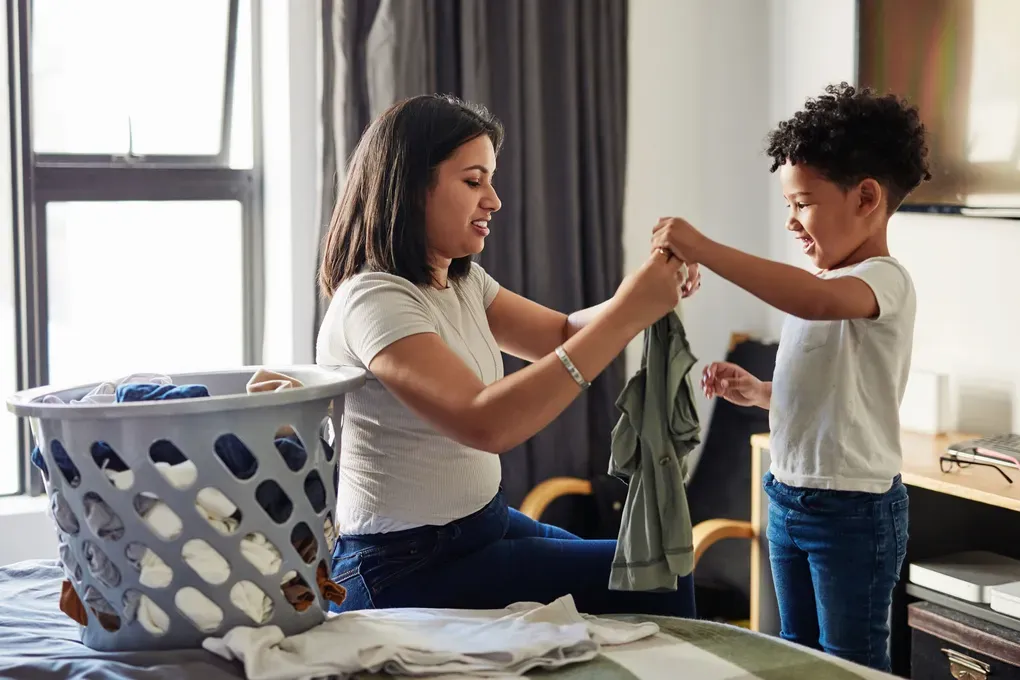
Kids often treat all tasks the same, folding laundry feels just as urgent as finishing a project due tomorrow. This is where you can guide them. Show them how to separate tasks into “must do now” and “can wait a little.”
Example: “If your science project is due tomorrow, that comes before playing outside. Folding laundry can wait until later. Let’s put a star next to the science project so we know it’s first.”
Over time, kids begin to see the difference between urgent tasks (deadlines) and important tasks (long-term goals).
Break Big Jobs Into Small Steps
Telling a child to “clean your room” is like telling an adult to “organize your entire life.” It’s overwhelming. Instead, show them how to break the task into small pieces.
Example: Step 1: Pick up clothes. Step 2: Put books back on the shelf. Step 3: Make the bed. Step 4: Sweep the floor.
When the job is smaller, it feels doable, and kids are more likely to actually finish.
Use Visual Tools
Some children respond better to seeing progress. A wall calendar, a whiteboard in their room, or even a colorful checklist with stickers can make organization fun.
Example: One mom bought star stickers for her son. Every time he finished a chore, he got to place a shiny star on his chart. It sounds simple, but he began racing through his tasks just to earn that “gold star moment.”
Build Simple Routines
Organization becomes easier when it’s part of a routine instead of a new decision every day. Homework always happens before snack time. Clothes for school are always picked out on Sunday night. Backpacks are always packed before bed.
When kids know what to expect, they stop arguing and start following the rhythm.
Allow Room for Flexibility
Of course, life happens. Maybe a neighbor drops by, or there’s an unexpected family outing. Teach your child that organization doesn’t mean rigidity, it means having a plan that can bend when needed.
Review and Celebrate
At the end of the week, sit with your child and talk about what worked. Maybe the checklist helped, or maybe they need a bigger calendar. Celebrate the wins, no matter how small.
Example: “You finished all your homework this week without me reminding you more than once, that’s amazing. I’m proud of you.”
Positive reinforcement builds motivation faster than criticism ever could.
A Word for Tired Parents
Yes, it can feel exhausting. Yes, it feels like nagging sometimes. And yes, there will be weeks when your child’s room still looks like a storm hit it. But remember this: you’re not just asking your child to clean up or keep track of homework. You’re teaching life skills that will make them more confident, capable, and responsible adults.
Being organized doesn’t happen overnight. It’s learned slowly, through routines, trial and error, and patient guidance. Your role is to provide the structure and encouragement that makes learning possible.
One day, that same child who can’t find their shoes will be the teenager who packs their own school bag without reminders, and eventually, the adult who manages their work, home, and responsibilities with confidence.
And it all starts with the small, patient lessons you’re giving them today.