
Teaching Your Kids How to Adapt to Changes
From the 1960s to date, we have seen and heard about how communication has rapidly changed. I mean, handwritten letters were being way billed all around the world, then we moved to fax machines, to landlines, then portable telephones, and now we have smart watches and smartphones. And what stands out is our unique ability to adapt to the changes and new realities of life. Imagine having to write and ship a letter to a friend in a different country in 2026 and then wait for a response in 3 months. You canʼt imagine it, right? Yeah, thatʼs because change has happened, and you have moved with the change.
Change is something every child will face. A new school year. A different teacher. Moving to a new home. Even small shifts, like making new friends, can feel huge in their world. As parents, we often want to protect our kids from discomfort but teaching them adaptability is one of the best gifts we can give.
We've seen this again and again. The kids who learn to bend without breaking are the ones who thrive, no matter what life throws at them.
Why Adaptability Matters
Think about it. The world your child is growing into is changing faster than ever. Jobs that exist today may disappear tomorrow. Technology keeps reshaping how we work, learn, and live. Kids who can adapt, who can meet new situations with curiosity rather than fear, will not only survive but stand out.
Adaptability isnʼt about teaching children to “get over it. ˮ Itʼs about equipping them with the mindset to handle uncertainty with confidence.
How Parents can Nurture Adaptability
Here are some simple, practical ways to build adaptability at home:
Introduce small changes
Mix up routines in simple but meaningful ways. For example, let your child try a different fruit at snack time instead of their usual favorite, or let them help pick a new breakfast option for the family. You can also swap who sets the dinner table, or you can change the order of evening activities. These small shifts keep things fresh and teach kids that flexibility can be fun.
Encourage new experiences
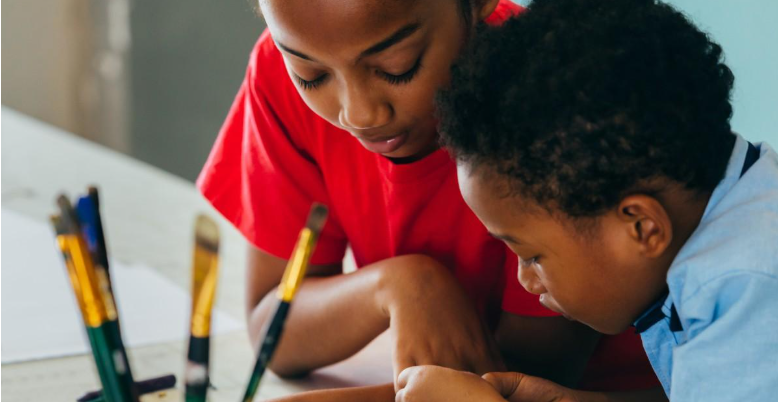
If your child loves football, suggest they try basketball or swimming for a change. If theyʼre into drawing, maybe they could try painting or simple crafts. The idea isnʼt to switch their interests completely, but to help them explore different angles of what they already enjoy. Even small family activities, like cooking a new recipe together or visiting a new place, can open their minds to fresh perspectives.
Model adaptability yourself
Kids learn more from what we do than what we say. If the internet goes out, instead of getting upset, suggest something different, like playing a game, going outside, or reading together. That way, they see how to adjust when plans change. Theyʼll copy that flexibility.
Praise effort, not just outcomes
When your child tries something new, even if it doesnʼt work out, celebrate the courage it took to step into the unknown.
Why Adaptive Skills Matter
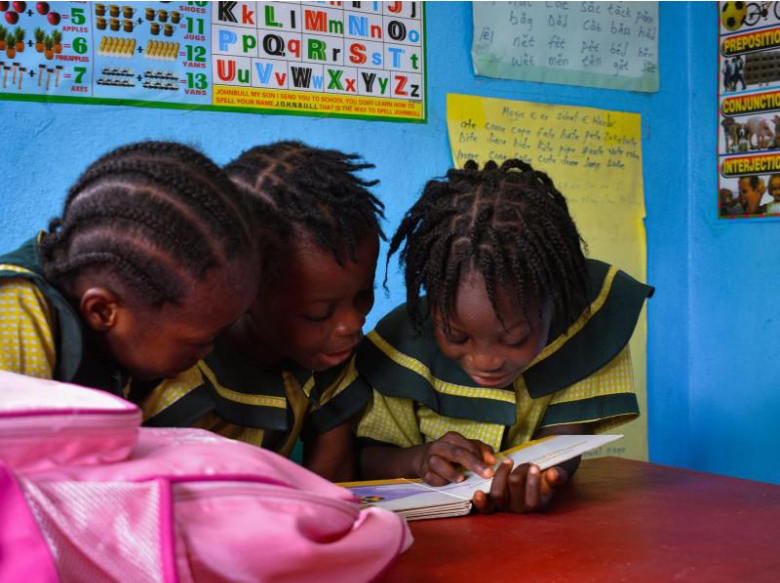
Adaptive skills are not “extraˮ, theyʼre essential. They help kids grow into capable, confident adults who can stand on their own two feet.
- Promote Independence: A child who can dress themselves or clearly express their needs is one step closer to independence.
- Boost Confidence: Mastering these skills gives kids a sense of achievement and pride.
- Prepare for Life: Adaptive skills are the foundation for school, friendships, and even future careers.
For parents, teachers, and caregivers, focusing on adaptive skills is one of the most powerful ways to prepare children for the real world. And when we do this while respecting neurodiversity, acknowledging that every child has unique strengths and challenges, we create space for all kids to thrive.
The bigger picture
Every parent wants their child to feel safe. But safety is about giving them tools to handle change. By practicing adaptability, children grow more confident in their ability to face the unknown.
So, the next time your child resists a change, pause. Remind them: “Itʼs okay to feel nervous, but youʼre capable of handling this.ˮ Step by step, theyʼll start to believe it too.
Action Step for Parents
This week, switch up just one small part of your childʼs routine. For example:
- Let them choose their outfit for the day instead of you picking it.
- Try a new bedtime story instead of the usual favorite.
- Swap TV time with playtime to see how they adjust.
Afterward, talk with your child about how it felt, what was fun, what was uncomfortable, and what they learned. These tiny, everyday experiments gently stretch their comfort zone and help build a flexible mindset that will carry them far.