
Learning to Be Kind to Kids Who Are Different
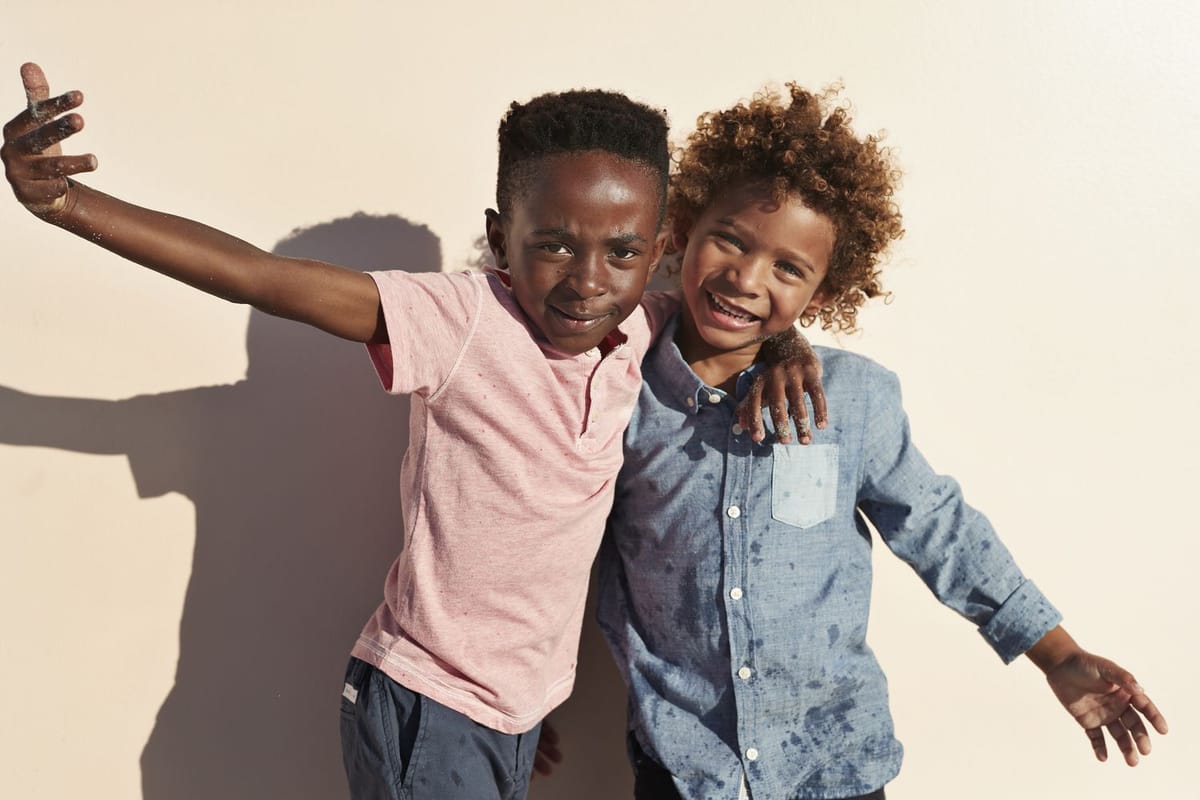
Imagine you are in school and a new classmate joins your class. At lunchtime, she opens her lunchbox and brings out something you have never seen before. It is warm, soft okpa (Bambara nut pudding) wrapped in leaves. The smell drifts across the table. You are used to eating rice, noodles, or sandwiches, so this feels new to you. She also speaks with a voice that sounds a little different, almost like music you have not heard before.
Now you have a choice. Will you giggle and whisper about her food? Will you look away and pretend she is not there? Or will you smile, ask her what okpa tastes like, and maybe share a laugh together? Who knows, you might find out it is delicious, and you might find out she makes a wonderful new friend.
All around the world, children bring special foods to school. In some places it might be sushi, dumplings, or falafel. In others it might be tamales, empanadas, or samosas. What looks different at first can be tasty and exciting when you are open to trying, and sometimes, that is how the best friendships begin.
What Is Tolerance?
Tolerance means accepting and respecting people who are not like us. It’s about understanding that everyone is unique. Some people may look different, speak another language, believe in a different religion, or have special abilities. That is perfectly okay. Our differences are what make the world bright and exciting.
Think about your classroom. Maybe one friend wears glasses, another speaks Yoruba or Igbo at home, and another is really good at drawing while you are better at football. Each person brings something special. If everyone was the same, life would be boring.
Why Does Tolerance Matter?
- It helps us make more friends.
- It makes classrooms, playgrounds, and homes happier places.
- It teaches us kindness, respect, and patience.
- It helps us work together as a team, even when we’re not the same.
How you Can Learn Tolerance
Here are some fun and simple ways to practice tolerance every day
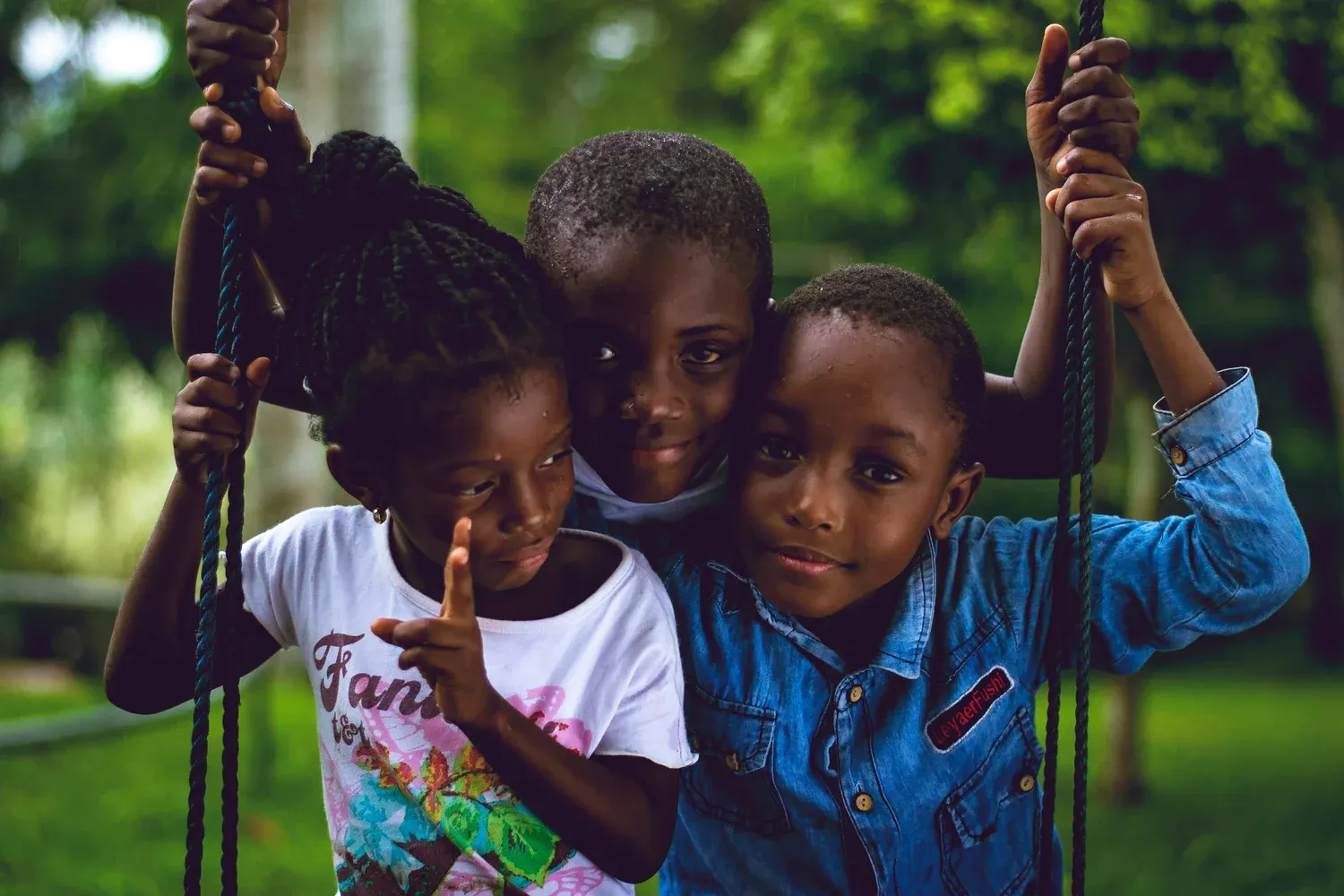
1. Listen to Stories About Different People
Read books or watch cartoons that show children from other cultures and backgrounds. These stories open a window into how other people live, what they eat, the clothes they wear, and even the games they play.
For example, a book about a child growing up in other parts of Nigeria may show how they walk to school or help fetch water, which might be very different from your own life.
A cartoon about a child in Japan may show traditions like eating with chopsticks or celebrating a special festival. These stories help us understand that even though people live differently, they still enjoy laughter, friendship, and family, just like you do.
2. Celebrate Differences
When a friend brings food from their culture or wears traditional clothes, ask questions and be curious instead of teasing. You might discover something new and exciting.
3. Include Everyone in Play
If you see someone sitting alone because they’re “different,” invite them to join your game. One small act of kindness can make a big difference.
4. Practice Respectful Words
Use kind words, even when you don’t understand someone’s way of doing things. Saying, “That’s different, can you tell me more?” shows respect and interest.
5. Be Open at Home
Talk to your parents or siblings about people who are different. Ask questions and learn together.
Think about crayons in a box. If every crayon was the same color, would drawing be fun? Probably not. It’s the mix of red, blue, yellow, and green that makes pictures beautiful. People are like crayons; their differences make the world brighter.
Tolerance is about treating others the way we’d like to be treated, with kindness and respect. When we accept differences, we make the world a friendlier place, one smile, one word, and one action at a time.