
How to Help Children Bounce Back from Setbacks
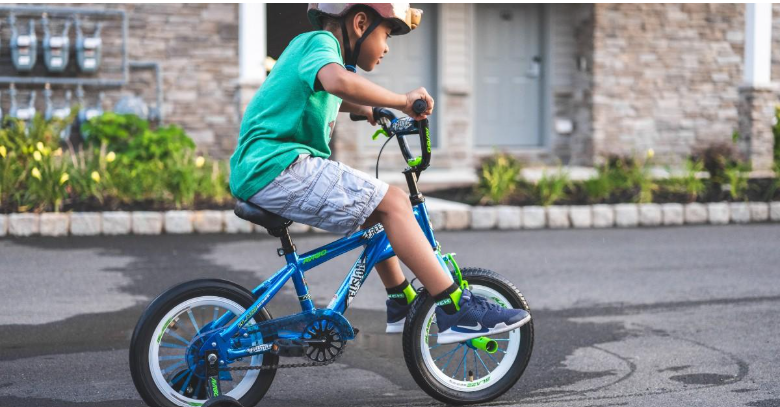
Failure. Itʼs a word many parents dread for their children. But hereʼs the truth: every child will stumble at one point in life. Theyʼll lose a game. Forget a line in the school play. Might score poorly on a test they studied hard for.
And yet, those moments of setback are where resilience is born.
Why resilience matters
Resilience is more than “toughing it out.ˮ Itʼs about helping kids recover from challenges, learn from them, and keep moving forward. A child who can bounce back grows into an adult who doesnʼt quit when things get tough.
Weʼve all met people who give up too easily. Often, itʼs not because they lack talent, itʼs because they never learned how to face failure and keep going. Thatʼs why resilience may be one of the most important skills we can teach our kids.
How to develop resilience at home

Here are a few practical ways to help your child build resilience:
Normalize failure
Talk openly about times youʼve made mistakes and what you learned from them. Kids need to see that failure isnʼt the end, itʼs part of growth.
Reframe challenges as opportunities
When your child struggles, shift the focus from “you failedˮ to “what can we learn from this?ˮ This mindset builds problem-solving muscles.
Celebrate persistence
Notice and praise when your child tries again after a setback, even if they havenʼt won yet. The effort itself deserves recognition.
You can remind them that many great things we enjoy today came from people who didnʼt give up after failing. For example, Thomas Edison tested thousands of times before he finally created the light bulb that worked. The Wright brothers crashed again and again before building the first successful airplane. What mattered most was not their failures, but their courage to keep trying until they got it right.
Encourage problem-solving
Instead of jumping in to fix everything, ask guiding questions: “What would you try differently next time?ˮ
The struggle behind setbacks no one talks about
Every parent knows that heart-wrenching moment when your child is in tears over a disappointment that feels world-ending. Maybe a friend left them out, maybe a grade didnʼt reflect their effort, or maybe they simply froze in front of a crowd. Childhood joy is often interrupted by moments that cut deep.
We canʼt shield them from every blow, but we can teach them how to think differently about those blows. Studies show that the elementary years are a crucial window for shaping how children view failure. This is when kids begin asking, “Why did this happen?ˮ The way they answer that question shapes whether they grow hopeful or discouraged.
Children who recover best from setbacks learn to see problems as temporary, specific, and changeable, not permanent or proof that “nothing ever goes right.ˮ Teaching kids this mindset is what helps them bounce back, rather than sink into self-blame or hopelessness.
Parents, this one is for YOU
The next time your child faces a disappointment, resist the urge to fix it immediately. Instead, sit with them, listen, and then ask gentle questions like:
“What can we try again?ˮ
“Why do you think this happened?ˮ
“Is this problem forever, or could it change?ˮ
“Whatʼs one thing youʼd try differently if you had another chance?ˮ
This simple shift helps them see challenges as stepping stones rather than walls.