
Building Environmental Awareness in Children, One Small Action at a Time
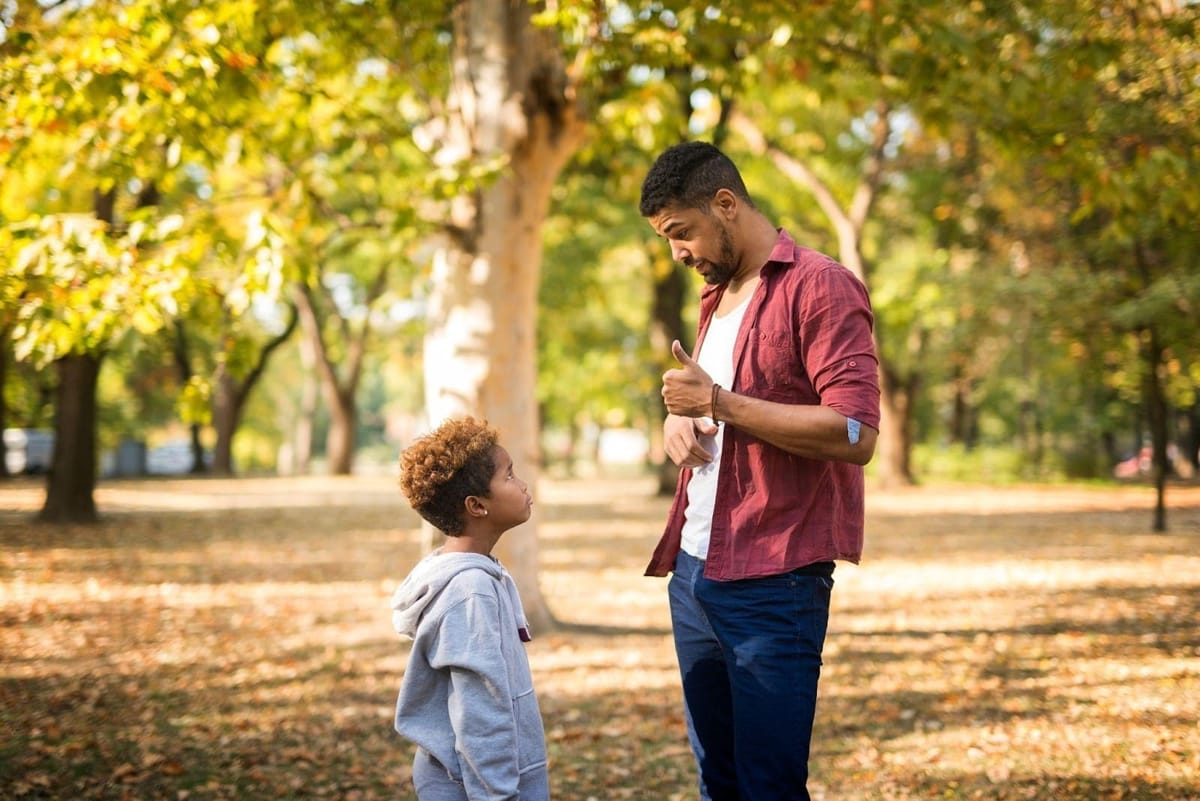
You’ve just finished shopping and bought some snacks for your eight-year-old. On the drive home, they munch happily until the last bite is gone. Then, without thinking, they roll down the window and toss the wrapper outside.
“Hey,” you say gently, “we don’t throw trash out the window. There’s a bin waiting at home.”
Your child shrugs, “But other people do it all the time.”
In that moment, you realize this is bigger than a snack wrapper, it’s about molding how your child sees the world and their place in it. This is where environmental awareness begins.
Teaching children to respect and care for their surroundings is about building a sense of responsibility for the environment and helping them see that even small actions can make a big difference.
Here are Some Simple But Powerful Ways to Start.
1. Start with Everyday Habits
Daily routines provide the easiest opportunities to model care for the environment.
- Switch off lights when leaving a room.
- Close taps while brushing teeth.
- Carry reusable shopping bags to the market instead of taking getting or buying new nylon bags every time. Give your child their own small bag so they feel involved.
- Separate your waste into two groups:
Biodegradable: things that rot, like food leftovers, fruit peels, or leaves.
Non-biodegradable: things that don’t rot, like plastics, nylons, cans, or glass bottles. This keeps the environment clean and makes recycling easier.
These tiny habits may seem small, but for kids, they’re the first steps toward lifelong responsibility.
2. Make Recycling a Family Activity
Children enjoy chores when they feel fun. You can create a small “waste corner” at home where they help sort plastics, bottles, and tins separately from food waste.
If there’s no recycling center nearby, show them how old tins can be reused for planting vegetables, or how bottles can be turned into storage containers. When children see waste being reused or sold for extra value, they begin to understand that caring for the environment can be rewarding and practical.
3. Let Nature Be the Teacher
Children protect what they love. The best way to make them love the environment is to let them experience it.
- Take walks in the park during picnics, hikes, or visits to the beach.
- Point out the names of trees, birds, and bugs, showing how they all play a part in keeping the earth balanced. Like the photosynthesis process. We breath in oxygen given from plants and we supply carbon dioxide to the plants.
- Let them plant something, maybe flowers, herbs, vegetables, or even trees, and watch it grow.
The more they interact with nature, the stronger their bond and responsibility toward it.
4. Join Community Clean-Ups
When kids see how much rubbish is lying around and help clean it up, they quickly understand why it’s important to take care of the places we all share.
For example, in Nigeria, there are certain Saturdays set aside for everyone to join in cleaning their communities, these are called Sanitation Saturdays. When children take part in things like this, they don’t just help tidy up, they also feel proud knowing their own hands made the park, street, their compounds, or playground look bright and clean again.
5. Be the Role Model
At the end of the day, children learn more from what we do than what we say. If they see us recycling, conserving energy, and refusing single-use plastics, they’ll follow our lead. Our actions set the standard.
To Wrap It Up
That snack wrapper on the ground may seem small, but it represents a choice, and children need guidance to make the right one.
By modeling simple eco-friendly habits, recycling together, spending time in nature, joining community efforts, and leading by example, we raise kids who see themselves as caretakers of the earth.
Because the truth is, raising environmentally aware children isn’t just about today. It’s about protecting tomorrow.