
A Guide to Non-Verbal Communication for Kids and the Parents Who Love Them
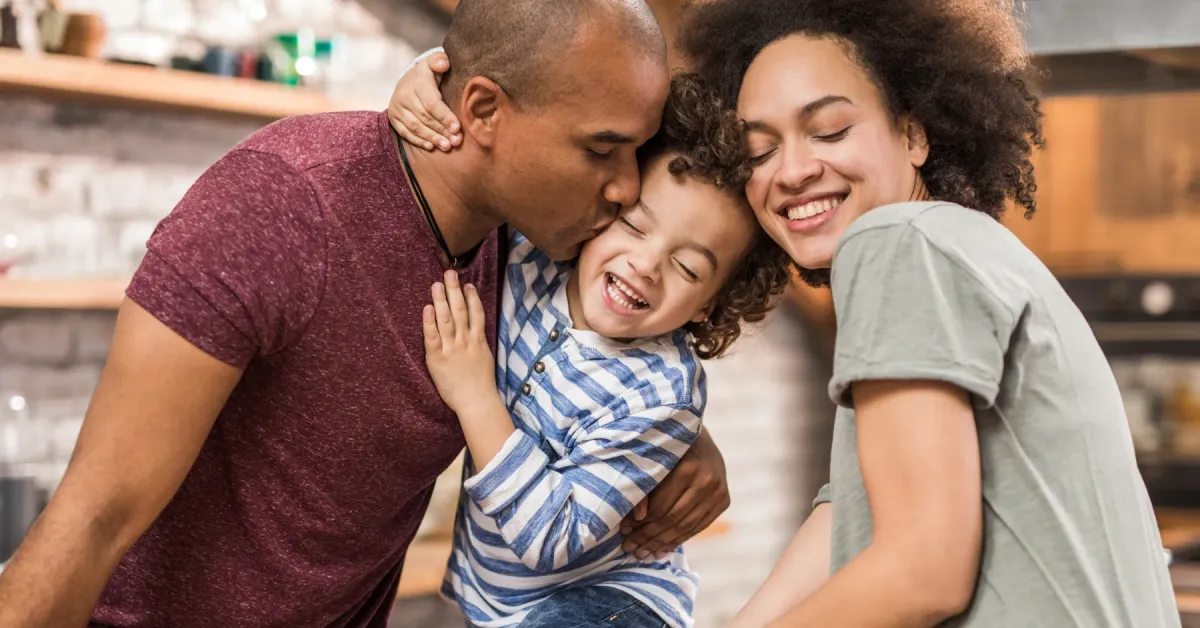
Have you ever had a full conversation without saying a word? Maybe you smiled at someone across the room, and they smiled back. Or you crossed your arms when you were upset, and your friend could tell you needed space.
That's non-verbal communication, how we speak with our eyes, hands, face, and posture. Kids do it every single day and when we help them understand this silent language, they grow more confident, more aware, and even better at making friends.
Lets explore how kids (and parents) can become body language pros.
What is Non-Verbal Communication?
Non-verbal communication is how we send messages without using our words. It includes: Eye contact, facial expressions, hand movements, how we sit or stand, the tone of our voice
These signals help us show emotions, like happiness, nervousness, or even boredom. Sometimes, what we say with our bodies is louder than what we say with our mouths.
For example, if someone says “Iʼm okayˮ but they're looking down with their arms crossed, are they really okay? Probably not.
Understanding this helps kids learn how others feel, and how they can express their own feelings clearly too.
Also read: Teaching your kids to adapt to change
Knowing how to “readˮ body language can help kids:
~Make new friends faster
~Solve problems calmly
~Understand others better
~Feel more in control during tough moments
~Avoid miscommunication at school and at home
Kids can spot when someone feels left out and include them. They can notice when a friend needs help, even if they donʼt ask out loud.
Try It at Home: Body Language Challenge
Want to make it fun? Try this challenge together:
- Sit with your child and act out different emotions without saying a word. Happy, sad, excited, nervous.
- Ask them to guess the feeling. Then switch!
- When you watch cartoons or TV shows together, press pause and say, “What do you think this character is feeling?ˮ
A Gentle Reminder for Parents
Your child is always learning, even when you're not talking. Theyʼre watching how you move, how you listen, and how you react.
So, the next time youʼre having a conversation, try this:
- Make eye contact.
- Put down the phone.
- Nod as they speak.
- Smile when they share something they love.
That small change can teach them what good communication looks like, without needing a single word.